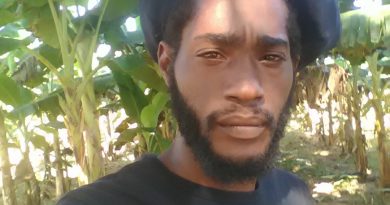
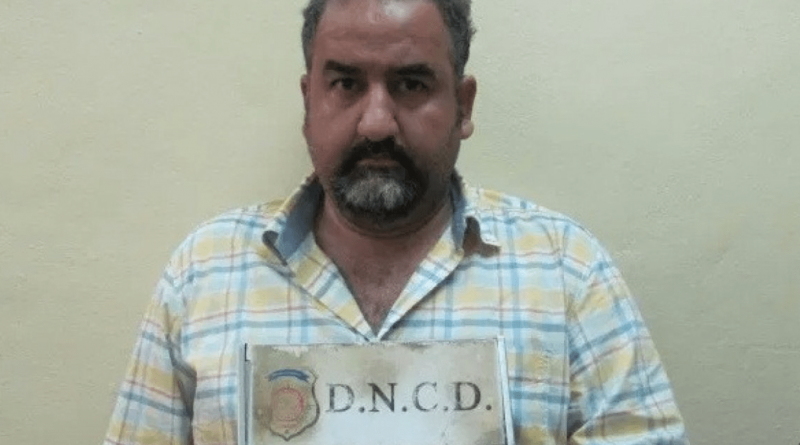
Rudolph Jaar
Rodolphe Jaar: From Businessman and Informant to Convicted Plotter in Haiti’s Presidential Assassination
Rodolphe “Whiskey” Jaar is a Haitian-Chilean businessman whose name became synonymous with one of the most shocking acts of political violence in the Caribbean: the July 7, 2021 assassination of Haitian President Jovenel Moïse. His journey—from elite circles and controversial past activities to a U.S. life sentence for murder conspiracy—reveals deep fissures in Haiti’s politics, justice systems, and international entanglements.
Early Profile: Business, Trafficking, and Informant Work
Born in Haiti into a family of Arab-Palestinian descent with longstanding business interests, Jaar was part of Haiti’s economic elite. He ran an import-export business and was linked to international commerce networks.
However, beneath this veneer of commerce was a much murkier criminal history. U.S. authorities charged Jaar in 2013 in South Florida with drug trafficking, accusing him of conspiring to smuggle tons of Colombian cocaine through Haiti to the United States.
During that period, he also spent over a decade working as a confidential informant for U.S. drug enforcement, a dual role that blurred lines between cooperation and criminality. He ultimately pleaded guilty to wrongdoing in the 2010s and was imprisoned, then returned to Haiti after serving his sentence.
The Plot to Kill a President
On July 7, 2021, President Jovenel Moïse was shot dead at his Port-au-Prince residence—a brazen, commando-style attack that reverberated across Haiti and the world.
In subsequent investigations, Rodolphe Jaar emerged as one of the chief suspects in orchestrating the operation:
-
Financing and support: Prosecutors allege Jaar helped fund the plot, including securing weapons and providing money to bribe security personnel responsible for protecting Moïse.
-
Safehouses: Jaar provided lodging and logistical support to the group of Colombian mercenaries who carried out the assassination.
-
Conspiracy evolution: What reportedly began as a plan to kidnap, detain, or remove Moïse from power evolved—possibly without Jaar’s complete clarity—into the assassination that shocked the hemisphere.
These layers of planning involved multiple actors including foreign mercenaries and Haitian political operatives, with Jaar functioning as a key coordinator and financier.
U.S. Arrest and Conviction
After the assassination, Jaar went into hiding for over six months. He was eventually captured in the Dominican Republic in early 2022 at the request of American authorities.
In March 2023, Jaar pleaded guilty in a U.S. federal court in Miami to multiple charges, including:
-
Conspiracy to commit murder or kidnapping outside the United States
-
Providing material support that resulted in death
He became the first defendant in the sprawling case to admit guilt.
Then, on June 13, 2023, a federal judge sentenced Jaar to life imprisonment, the maximum possible penalty. The court found his role critical in enabling the assassination plot through financing, logistics, and material support to the armed assailants.
Why It Matters: A Symbol of Haiti’s Struggles
Jaar’s conviction marked a seminal moment in the still-unfolding saga of Moïse’s assassination—an event that dramatically deepened Haiti’s already severe political and security crisis. The aftermath saw:
-
Escalating violence: Rival gangs and armed groups expanded control over neighborhoods, drastically eroding public safety.
-
Institutional breakdown: Haiti’s ability to investigate, prosecute, and reconcile the crime internally was limited, prompting international legal intervention.
His case underscores broader issues in Haitian politics: elite networks intersecting with illicit economies, contested leadership transitions, and fragile law enforcement. It also highlights complications when domestic crimes are adjudicated abroad due to local institutional weaknesses.
Legacy and Ongoing Investigations
While Jaar’s conviction closed one chapter, many other suspects—including former officials and foreign mercenaries—remain charged or under investigation in the United States and Haiti. The full truth of the assassination’s planning, motives, and backing continues to be pieced together.
Rodolphe Jaar’s story is emblematic of Haiti’s fraught journey through corruption, violence, and external legal entanglements—a dramatic and sobering illustration of how personal ambition, illicit networks, and institutional fragility can intersect with national tragedy.
If you’d like, I can also provide a timeline of key events around the assassination and the ongoing legal proceedings related to Jaar and other defendants.