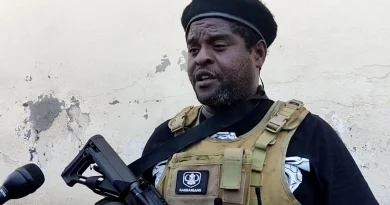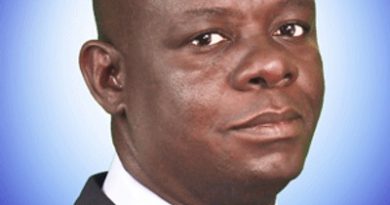
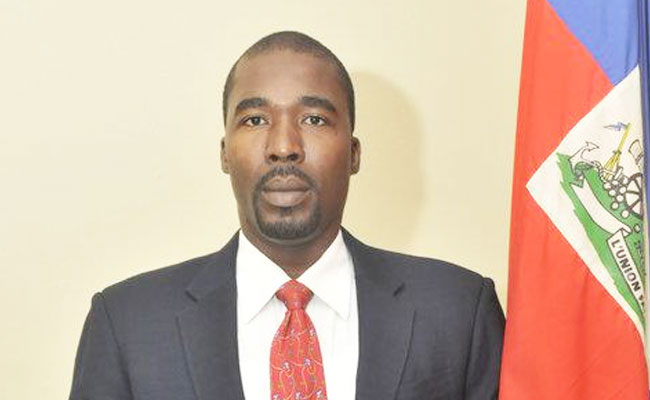
Anel Belizaire
Arnel Belizaire: Controversy, Corruption Allegations, and U.S. Sanctions
Anel Belizaire is a Haitian political figure whose career has been marked by controversy, legal troubles, and most recently, designation by the United States government for significant corruption and destabilizing actions.
Political Career and Public Profile
Belizaire served as a member of Haiti’s Chamber of Deputies, representing his constituency in the national legislature. He was active in Haitian politics during a period of deep institutional weakness, chronic instability, and rampant corruption that has plagued Haiti’s public life for decades.
Despite being an elected legislator, Belizaire’s political career has been overshadowed by frequent legal and ethical questions. Various reports suggest he was a controversial figure, accused by critics of inciting unrest and aligning with armed political elements, complicating Haiti’s fragile democratic processes.
Corruption Designation by the U.S. State Department
In September 2025, the U.S. Department of State publicly designated Arnel Belizaire for “significant corruption” tied to his time in public service. Under Section 7031(c) of U.S. law, officials believed to be involved in major corruption or gross human rights violations can be barred from entering the United States along with their immediate families.
According to the U.S. government, Belizaire and another former Haitian legislator, Antonio Cheramy, “abused their positions by interfering with public processes of the Haitian government.” The State Department said such actions undermined democratic institutions in Haiti and had deleterious effects on U.S. interests by further destabilizing Haitian governance.
The designation reflects broader U.S. diplomatic policy aimed at holding Haitian leaders accountable when credible information links them to corruption that weakens Haiti’s fragile state institutions.
Past Legal Troubles and Allegations
Historical reporting suggests Belizaire had multiple legal run-ins long before the U.S. sanctions. One independent account indicates that in the mid-1990s and early 2000s, Belizaire was arrested multiple times on charges including breach of trust, weapons possession, and even involvement in violent conflict. He reportedly escaped prison during a mass jailbreak in 2005 and was later detained by Dominican authorities before being returned to Haiti.
Some of these earlier episodes blurred the lines between criminal allegations and Haiti’s politically charged environment, where legal action often intersected with factional conflict and shifting alliances. Nonetheless, they demonstrate a long history of controversy surrounding Belizaire’s activities.
Impact and Broader Context
Belizaire’s designation by the United States is part of a wider international effort to address corruption and political dysfunction in Haiti, where successive governments have faced charges of misuse of power and public resources. These designations are intended to signal consequences for elite actors seen as contributing to governance failures, institutional decay, and instability that have severely affected Haitian society.
However, critics argue that external sanctions alone cannot fix the deeper systemic problems in Haiti—such as weak rule of law, fragile institutions, entrenched patronage networks, and widespread poverty—that create fertile ground for corruption and political violence.
Conclusion
Arnel Belizaire is a polarizing figure whose career reflects the broader challenges facing Haitian democracy. From controversial legal entanglements to formal international sanctions for corruption, his story illustrates how individual actors can both shape and be shaped by the tumultuous political landscape in Haiti. The U.S. designation underscores international concern about corruption’s role in destabilizing governance, but also highlights the limits of accountability in a country still struggling to build robust democratic institutions.