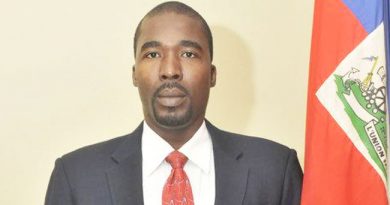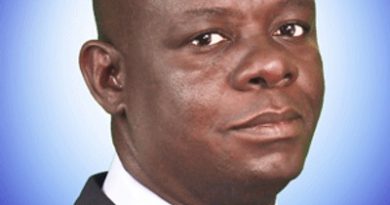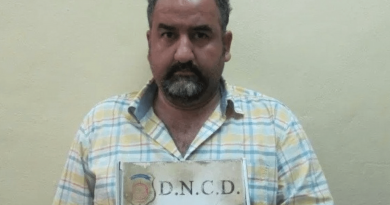

Jimmy Chérizier aka Barbecue
Jimmy “Barbecue” Chérizier: Haiti’s Most Notorious Gang Leader and the Corruption That Enabled Him
Jimmy Chérizier, widely known by his nickname “Barbecue,” stands today as one of Haiti’s most powerful and controversial figures — a former police officer turned gang leader whose influence extends deep into the country’s politics, corruption networks, and ongoing crisis.
From Police Officer to Gang Commander
Born and raised in the Port-au-Prince area, Chérizier joined the Haitian National Police, serving in a riot squad before being dismissed in 2018. Multiple human rights organizations and international bodies have accused him of involvement in major atrocities — including the 2018 La Saline massacre, where at least 71 people were killed and hundreds of homes burned — allegations he denies.
After leaving the police force, Chérizier took control of gang activity in his home neighborhood of Delmas and rapidly expanded his reach.
Leader of G9 and the Gang Coalition
Chérizier founded the G9 and Family Allies (G9 Fanmi e Alye) — a federation of nine major gangs in the Haitian capital that has effectively carved out enormous power in Port-au-Prince. Under his leadership, the G9 coalition has become notorious for extortion, kidnappings, controlling public services for payment, and violent repression of opponents and ordinary residents.
By uniting rival criminal groups, he transformed fragmented gangs into a more cohesive force that has, at times, directly challenged the Haitian state.
Political Ties and Corruption
A key element in Barbecue’s rise has been the alleged intersection of gang power and political corruption in Haiti:
- Investigations by organizations like Insight Crime suggest that at one point up to 50% of G9’s funding came from government sources tied to the administration of the late President Jovenel Moïse, with the remainder from extortion rackets and kidnappings.
- Analysts have argued that Haitian politicians sometimes used gang alliances to suppress opposition or influence voting, blurring the lines between political authority and criminal power.
- Haiti’s chronic corruption and weak rule of law allowed Barbecue and similar figures to grow in influence as state institutions collapsed, especially after the 2021 assassination of President Moïse.
Violence and Human Rights Abuses
Under Barbecue’s direction, G9 and allied gangs have been implicated in repeated massacres, kidnappings, and brutal extortion that have terrorized large parts of Haiti:
- Human Rights Watch and UN reports link gang members to horrific abuses — including mutilations, gang rape, and blockade tactics that worsened fuel shortages and crippled basic services.
- The coalition’s actions have played a role in paralyzing Haiti’s economy and humanitarian situation, contributing to widespread suffering among civilians.
International Sanctions and U.S. Indictment
Barbecue’s actions have drawn global attention:
- In 2020, the U.S. Treasury designated him under sanctions for human rights abuses, followed by UN sanctions in 2022.
- In 2025, a U.S. federal indictment charged him with conspiring to evade those sanctions by using members of the Haitian diaspora to funnel money for weapons and salaries for his gang network — marking a rare legal action under the Magnitsky Human Rights Accountability Act.
- The U.S. is now offering up to $5 million for information leading to his arrest.
Impact on Haiti Today
Barbecue’s influence symbolizes the breakdown of Haiti’s state authority. Gangs now control vast swaths of Port-au-Prince and other regions, leaving millions trapped amid violence, food insecurity, and displacement. His rise underscores how corruption, political manipulation, and weak governance have combined with entrenched criminal networks to create one of the most severe security crises in the Western Hemisphere.
If you’d like, I can also provide a timeline of major events in Barbecue’s rise or explain how Haiti’s political instability has helped gangs like the G9 grow.